Local Energy. Local Fertility. Global Impact
HYDROGEN & NITROGEN FERTILIZER. MADE ON SITE
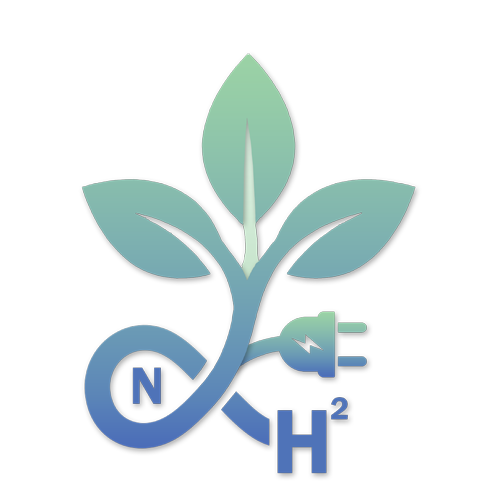
The Futue Is Coming, HPDF Technology
THE HYPER-DENSE PROTONIC FLUID (HDPF) PLATFORM
One electro-chemistry platform: Supports underserved european food and energy Markets
Ionova Labs is being formed to develop and commercialize patent-pending ionic fluid technologies powering a new electrochemical platform that improves the economics of clean hydrogen, ammonia, and precision agriculture fertilizers.
What Is Hyper Dense Protonic Fluid?
HDPF® is a proprietary, proton-dense ionic fluid, a high-density electrolyte that makes clean hydrogen or nitrogen-based fertilizer possible at ambient temperature, without extreme heat or cryogenic storage.
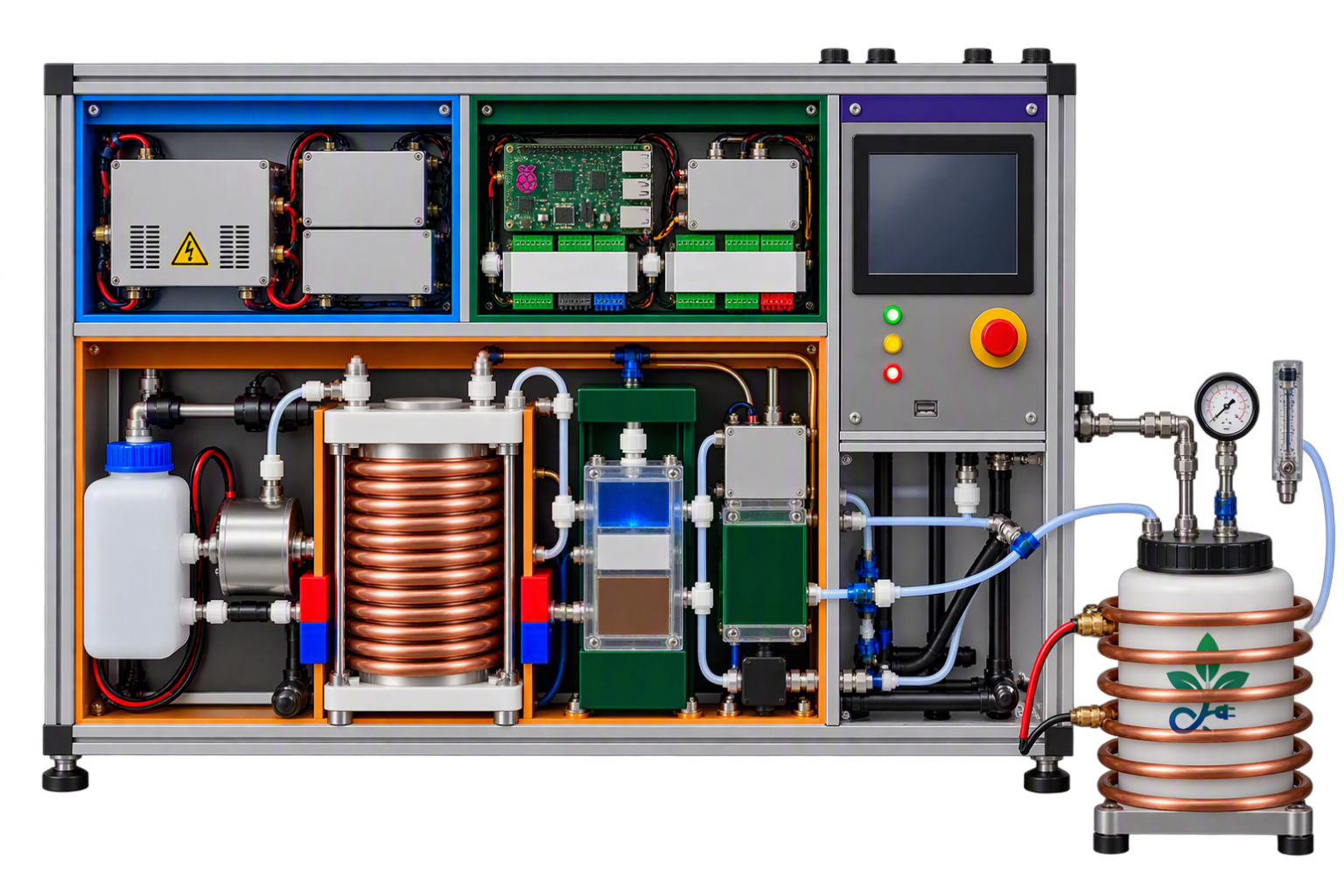
HDPF is made on site from water, energy, and proprietary additives. It is both the enabling technology and the working medium. As an electrolyte, it holds hydrogen in a dense, stable ionic form, and it is regenerated in a loop between the ionic stage and the point of use, where a standard electrolyzer converts it. In hydrogen mode, a unit produces hydrogen on demand. In nitrogen mode, the same platform produces nitrogen fertilizer. A unit runs one mode at a time.
One technology platform. Many products. Configured for the application.
WHAT IS HYPER DENSE PROTONIC FLUID?
HDPF is a proprietary proton-dense ionic fluid that enables the production of hydrogen and nitrogen-based fertilizer at ambient temperature. Created through a unique electrochemical process, HDPF concentrates free protons into an unusually reactive state, eliminating the need for extreme heat, high pressure, or cryogenic infrastructure. As both the product and the enabling technology, HDPF continuously regenerates within a closed-loop process, converting water, air, nitric acid, and electricity into clean hydrogen while simultaneously producing a nitrogen-rich fertilizer. This dual-output model creates multiple revenue streams from a single technology platform.
Why HPDF Matters To Europe
Four reasons this platform matters to the greater EU and supporting supply chains.
Sovereign Supply
Distributed, farm- or facility-gate production reduces reliance on imported hydrogen and fertilizer.
Price Stability
No natural gas or methane feedstock exposure means insulation from fossil price volatility and supply shocks.
Carbon Neutral
Ambient-temperature electro-chemistry produces zero-emission H2 and fertilizer from low power electricity.
Modular / Scalable
The same platform scales from a single farm to industrial deployment, with no minimum efficient scale.
Case Study: Vertical Farming, Energy & Fertilizers
HDPF can deliver clean hydrogen and affordable ammonia at ambient conditions depending on configuration, fundamentally changing the economics of both energy and fertilizer production.

TOMORROW’S TECHNOLOGY, TODAY
We Need Localized Hydrogen Production
Green hydrogen and sustainable fertilizers remain prohibitively expensive. Conventional electrolysis is energy-intensive, while hydrogen liquefaction relies on costly cryogenic infrastructure. HDPF eliminates both barriers by producing hydrogen within a high-density protonic fluid at ambient temperature and pressure.
The platform’s value extends far beyond hydrogen. By leveraging the same core technology, HDPF can also produce low-cost ammonia and nitrogen-based fertilizers, creating multiple revenue streams from a single process. What begins as a hydrogen production platform becomes a scalable, multi-product economic engine for energy, agriculture, and industrial markets.
Why HDPF Technology
One ambient-temperature platform for hydrogen & fertilizer
The Problem
Hydrogen and nitrogen fertilizer are both made in large, centralized plants fed by fossil fuels.
The Solution – What We Know Today
The Concept Machine Targets (Estimated)
| DESIGN BASIS | PILOT UNIT 100KW |
|---|---|
| H2 / DAY | about 50 kg |
| H2 / YR | about 15t |
| Or as a fertilizer plant, nitrogen per day | 75 to 150 kg |
| High Purity Indicative machine cost | ~$0.3M |
| Design-basis estimates, not measurements. Hydrogen and nitrogen are alternate modes in the current design. Machine cost is benchmarked, not quoted. |

What Can You Run With 55kgs Per Day?

Configured for hydrogen, a compact industrial-scale utility can power:
How Much Can You Fertilize?

Configured for nitrogen, a compact industrial-scale utility can fertilize:

Hydrogen & Fertilizer Are Products. Ionic Fluids Are The Business
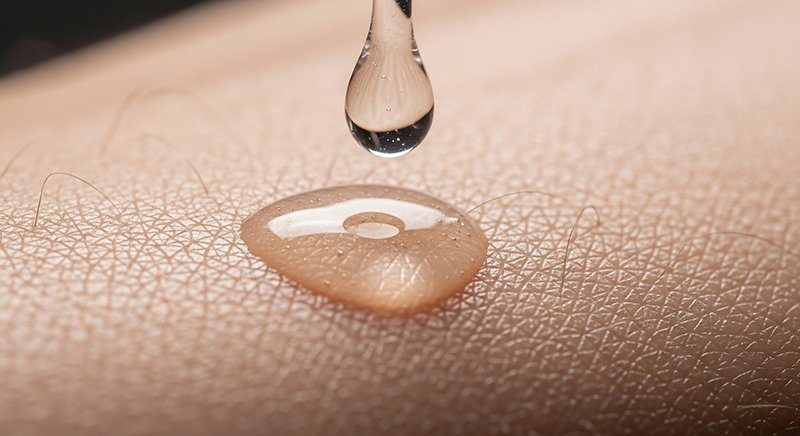
Everything begins with the ionic fluid. Produced from water, an acid feedstock, and renewable electricity at ambient temperature and pressure, HDPF® is a high-density electrolyte, and it is both the product and the enabling technology.
Unlike conventional hydrogen systems that depend on energy-intensive electrolysis, high-pressure storage, or costly cryogenic liquefaction, HDPF stores hydrogen within a dense ionic fluid that can be produced, transported, and deployed where it is needed.
But hydrogen is only one application.
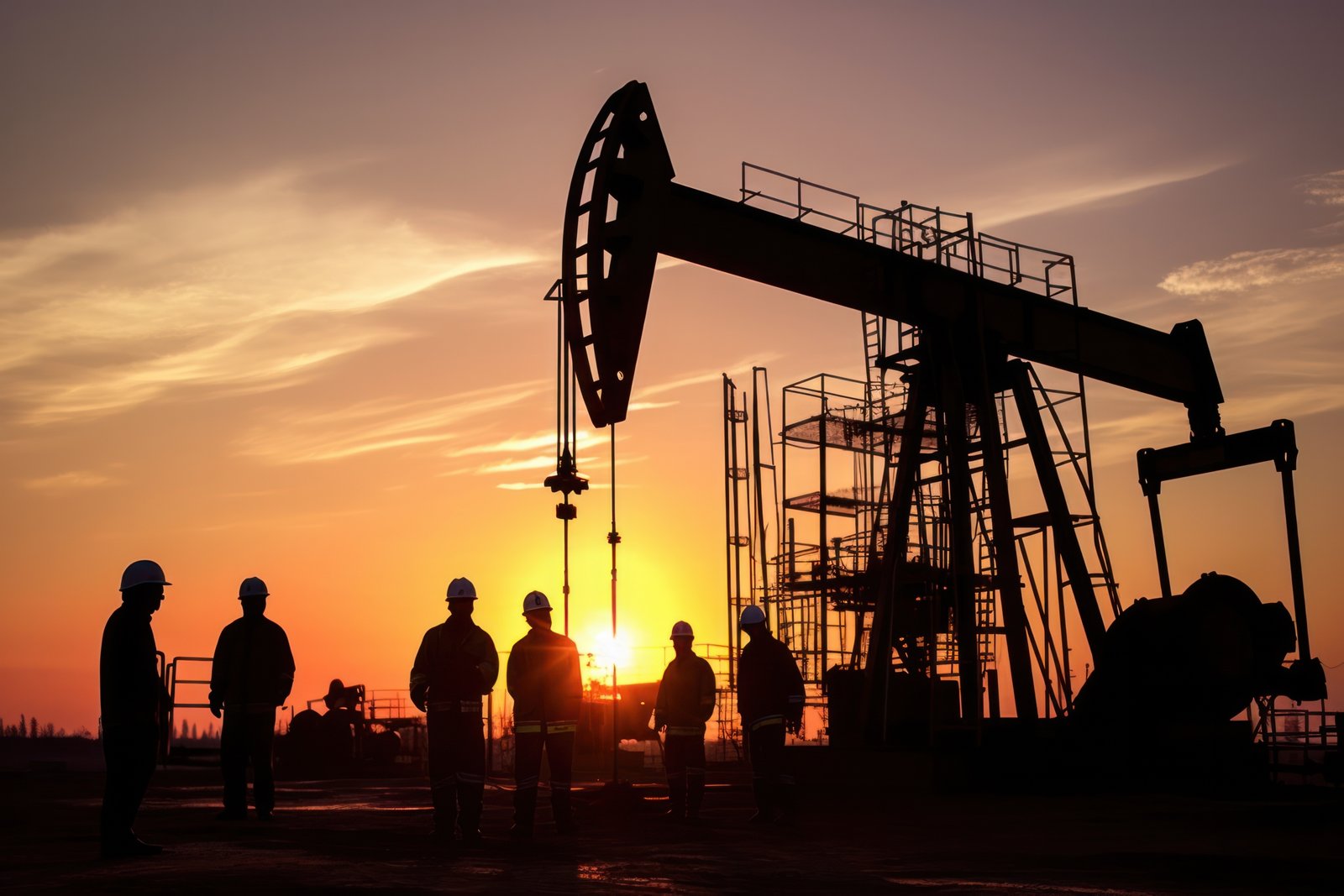
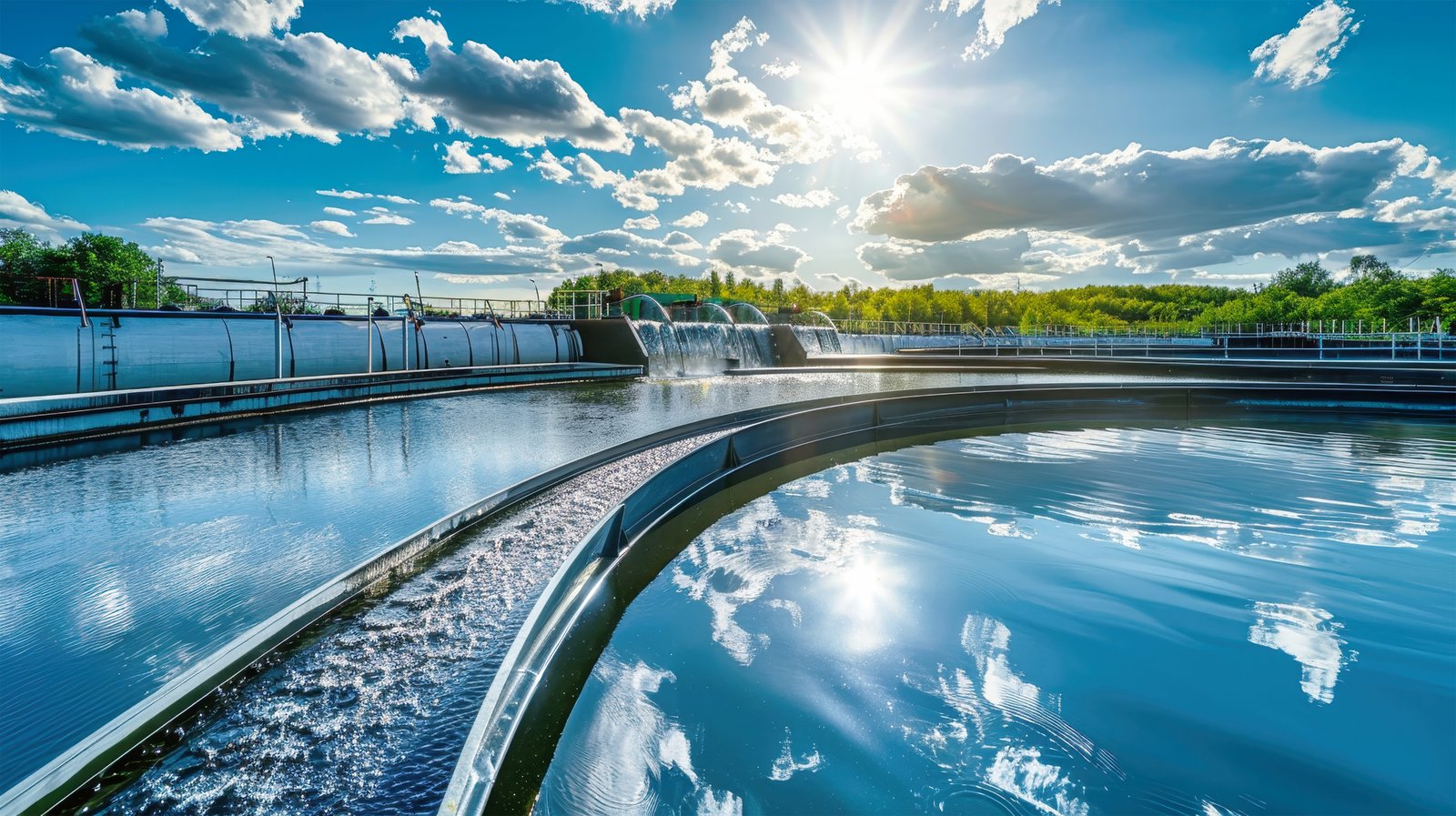
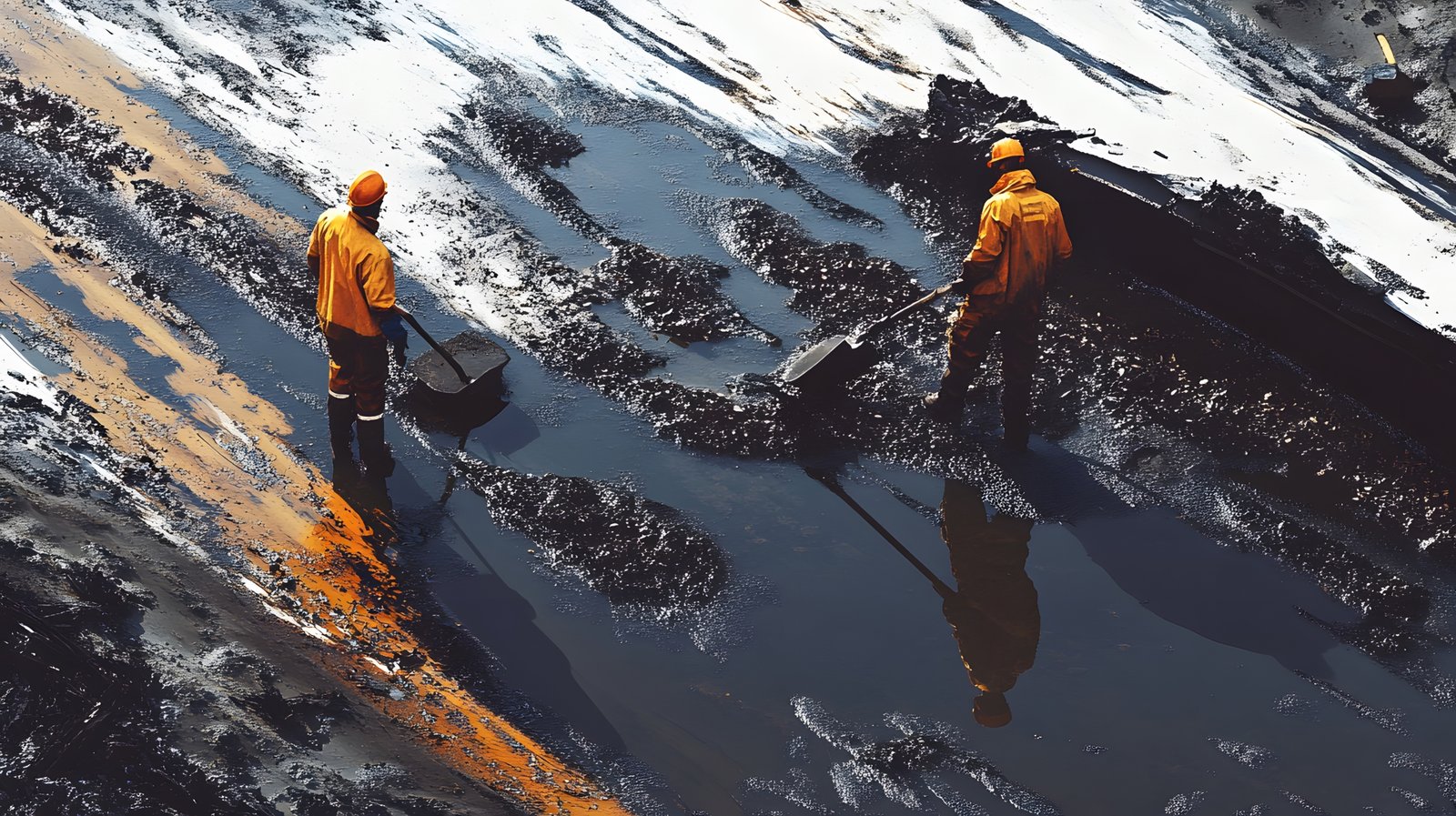
By changing feedstocks and operating parameters, the same platform can produce ammonia and nitrogen-rich fertilizers. As an electrolyte, it also opens the door to flow batteries for long-duration energy storage. The platform further supports novel human safe acids for water treatment, wastewater remediation, oil sludge processing, resource recovery, pipeline cleaning, and other industrial applications. The result is a versatile chemistry platform serving energy, agriculture, environmental, mining, and industrial markets.
Produced using renewable electricity, HDPF enables localized manufacturing, reduces transportation costs, and creates multiple revenue streams from a single technology platform.
Sun in. Water in. Value out.
~97 Mt
of hydrogen demand a year today. The IEA Net Zero pathway puts green hydrogen alone at 50 to 100 Mt a year by 2050.
~$70B
global nitrogen fertilizer market, per year.
~$25B
a year spent on the energy difference alone in a 50 Mt green hydrogen market, at $0.05 per kWh.
~97 Mt
of hydrogen demand a year today. The IEA Net Zero pathway puts green hydrogen alone at 50 to 100 Mt a year by 2050.
~$70B
global nitrogen fertilizer market, per year.
~$25B
a year spent on the energy difference alone in a 50 Mt green hydrogen market, at $0.05 per kWh.

What Still Needs Investigation: Our FAQ

What The First Investments Fund

About The Founder
Michael Gray is the founder of the Ionova Labs technology and the inventor of HDPF. He is a technologist and executive with 25 years of experience, with deep expertise in semiconductors and sensing technologies, embedded systems, IoT, clean energy, and advanced manufacturing. He is named on 200+ issued and pending patents across 40+ families.
Michael brings deep expertise in hydrogen and battery technologies, supported by more than 40 patent filings related to hydrogen conversion, storage, and utilization. His work includes the development and application of ionic hydrogen chemistries for energy production, enhanced oil recovery, water purification, and environmental remediation, providing a foundation for scalable industrial and clean-energy solutions.